Loading
Loading
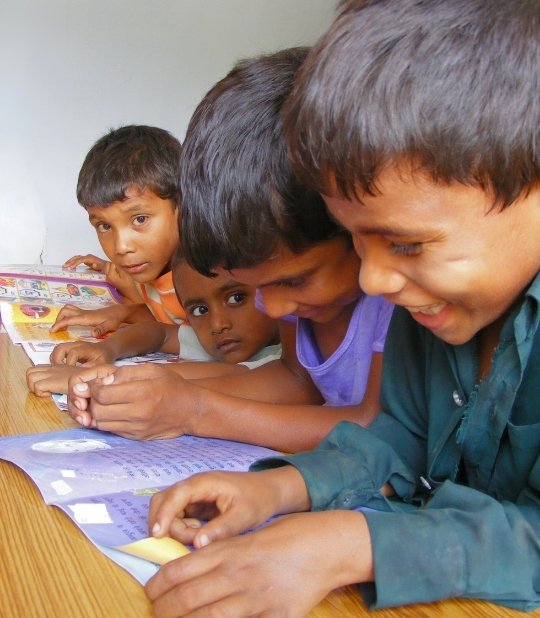
The Kitaabghar Initiative was launched to bridge a critical gap for underserved communities who had the ability to read but lacked access to quality books. Unlike conventional literacy programs, it sought to cultivate a lifelong habit of reading by creating vibrant spaces for learning and imagination. Beginning with four reading rooms in Seelampur and Krishna Nagar Basti (East Delhi) and in Memon Saadat and Fazalpur (District Bijnor), the initiative transformed villages with government schools but without functional libraries into centers of knowledge and curiosity.
A key strength of the program was its community-driven approach. Women from within the villages were trained in library management and employed as coordinators, ensuring both local ownership and sustainability. By issuing books in the names of mothers, the initiative encouraged women to participate actively, slowly weaving the Kitaabghars into the social fabric of the community.

Kitaabghar: Empowering communities through books.

The aim of the Kitaabghar Initiative is to promote the joy of reading and access to quality books among underserved communities. By establishing village-based reading rooms, the program seeks to inculcate reading habits, create knowledge-sharing spaces, and empower women and children to actively engage in learning and community development.
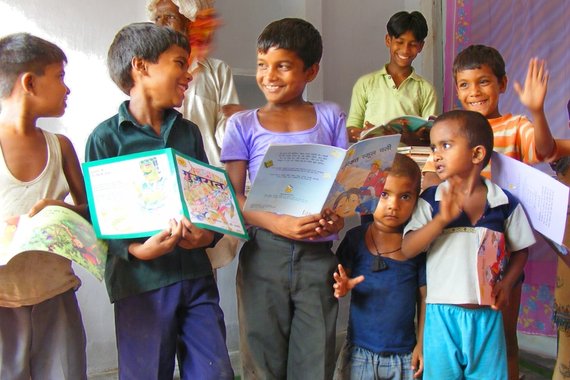




The initiative targeted villages that had government schools but lacked functional or well-equipped libraries. This ensured that the reading rooms addressed a real and urgent need.

Four Kitaabghars were set up in Seelampur and Krishna Nagar Basti (East Delhi), and Memon Saadat and Fazalpur (District Bijnor). Each was stocked with age-appropriate and diverse books for children, youth, and adults.

A female coordinator from the local community was trained in library management and appointed to oversee daily operations. This not only created ownership but also provided meaningful employment to women.

Books were issued in the names of mothers, encouraging women to visit the reading rooms with their children. This gradually transformed the Kitaabghars into community hubs for knowledge sharing, learning, and empowerment.